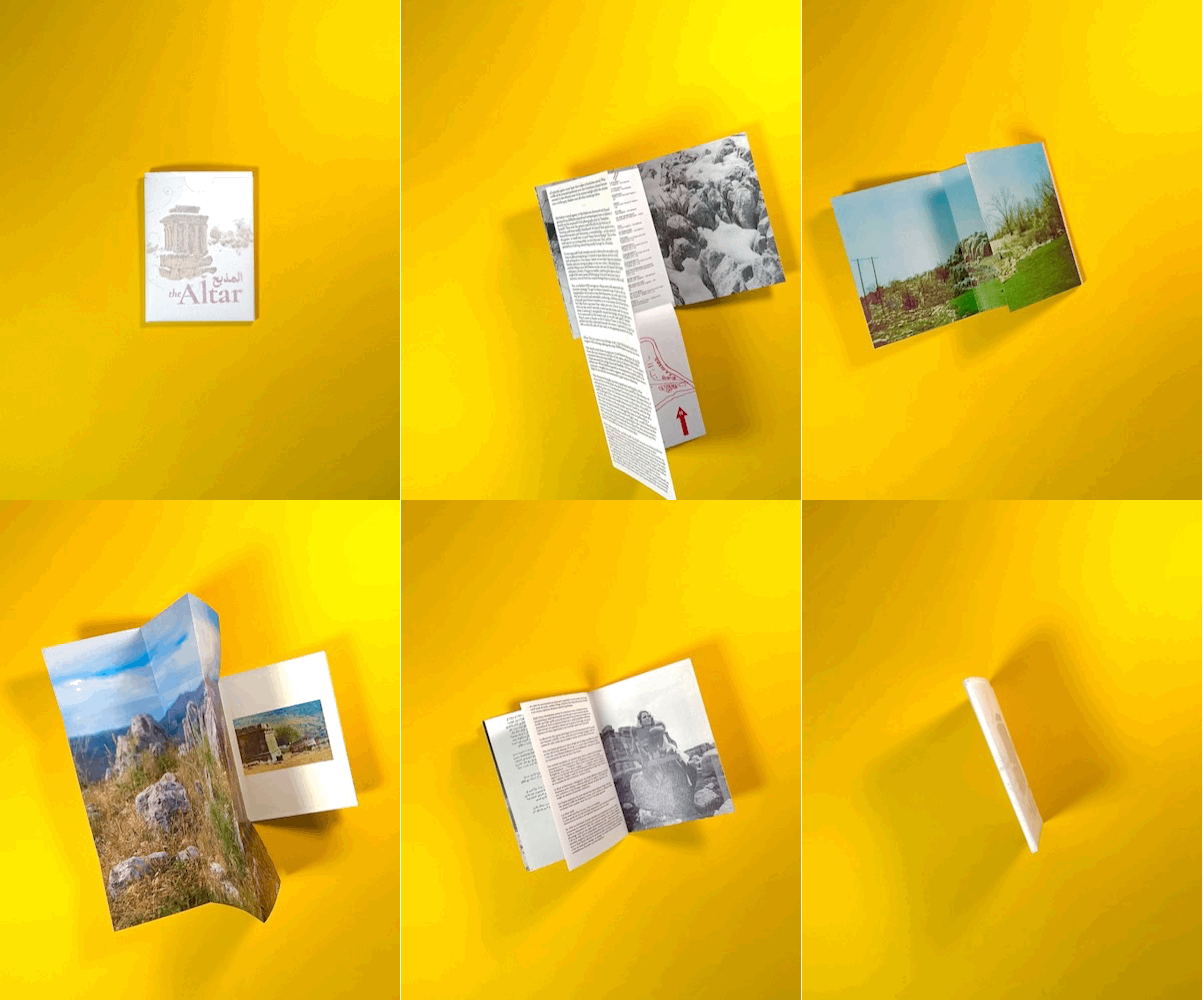
the altar [may 2026]
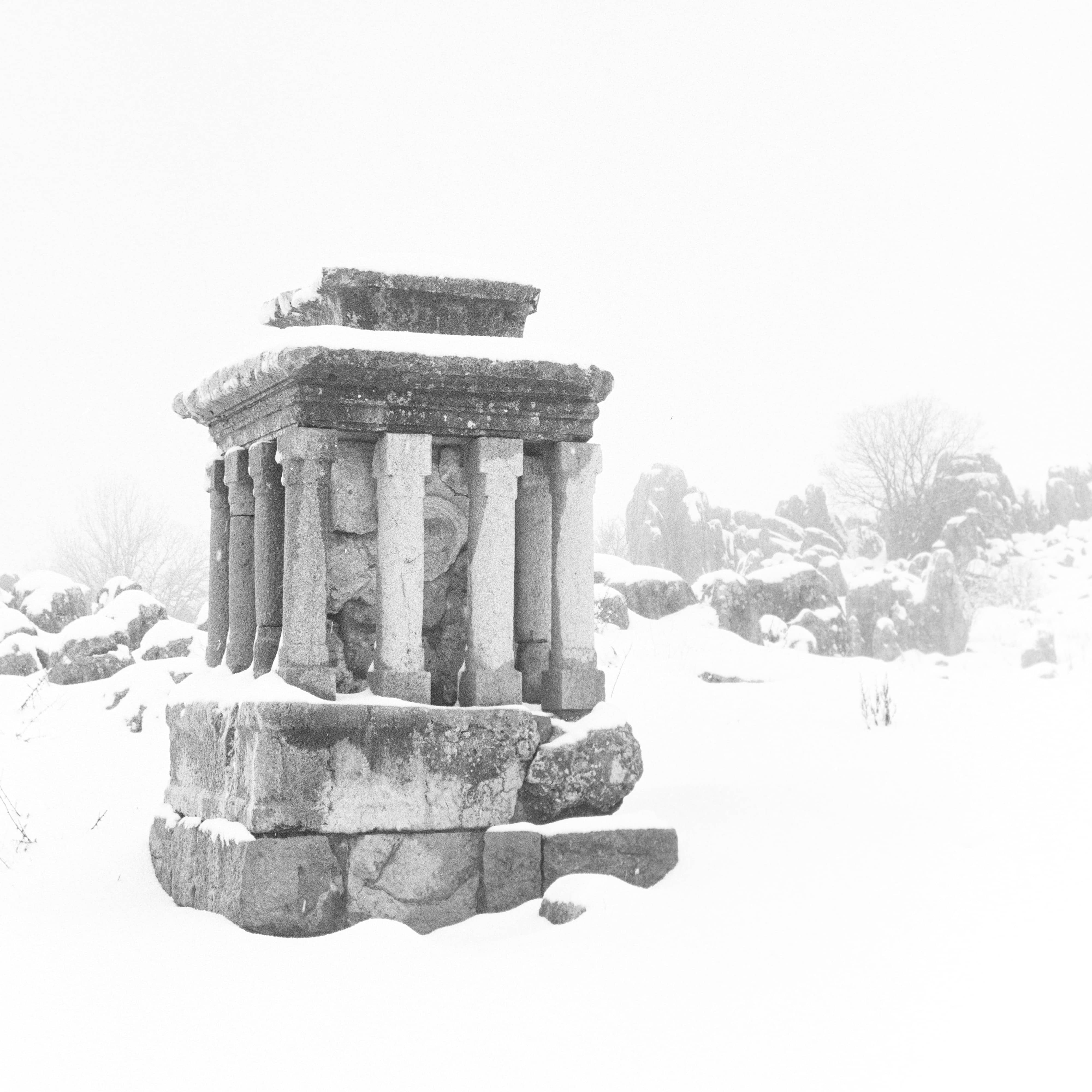
Historically under-described and visually unassuming, the Small Altar resists easy classification. Its scale challenges expectations of sacred grandeur, while its form raises questions about authenticity, restoration, and intent. What appears ancient may be partially reconstructed; what is named an altar may have served another purpose. Absence of records, of certainty becomes central.
The artist first encountered the altar through its image on the Lebanese 250 lira note, long before seeing it in person. What had been imagined as monumental revealed itself as intimate. This dissonance between image and object became the project's point of departure.
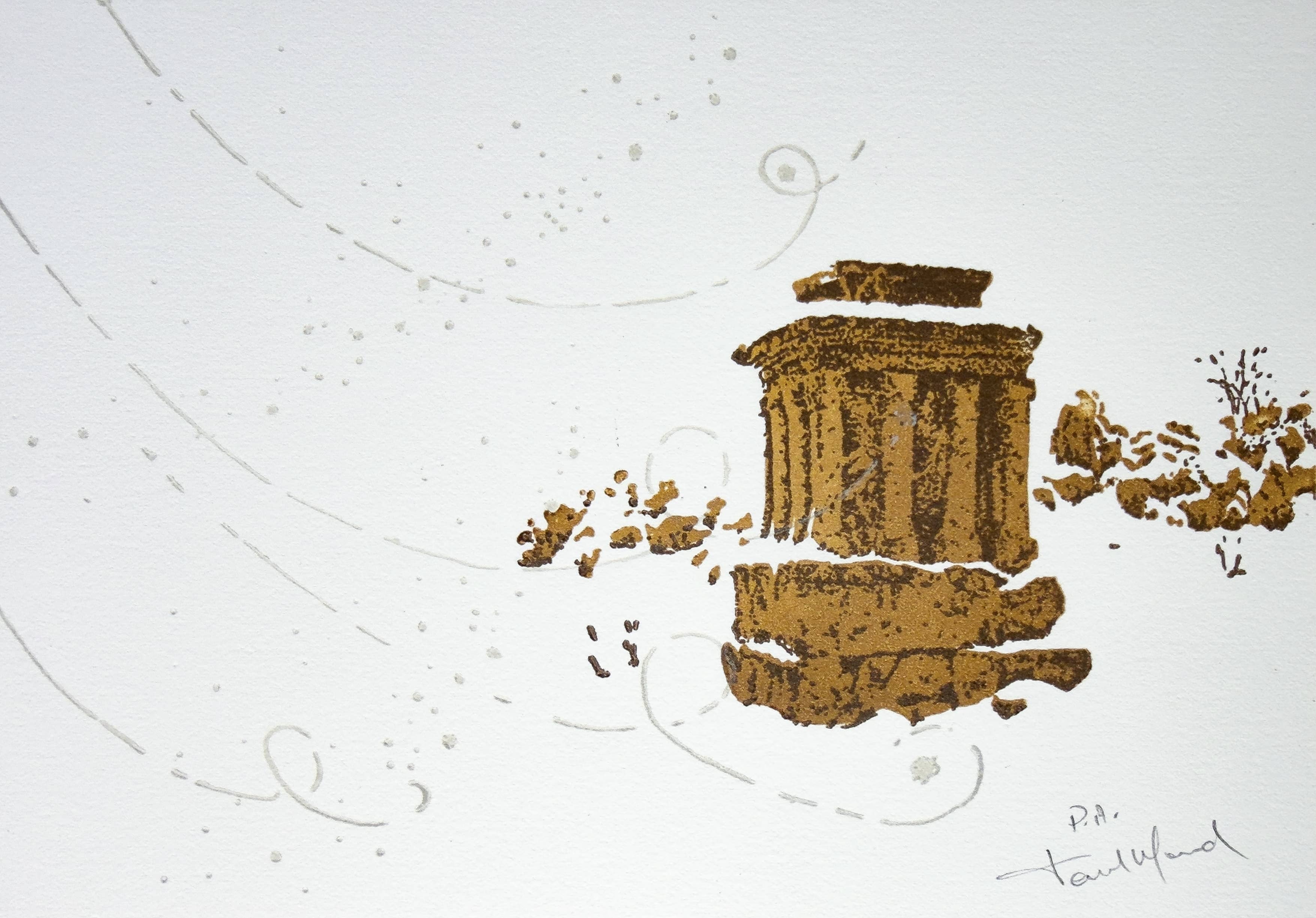
Working through analog photography and printmaking, The Altar revisits the site through repetition. Images do not document but return, shaped by shifting light, season and perspective. Printmaking extends this into circulation, reintroducing the altar onto currency and public domain, where value and authorship play on collective memory.
Rather than resolving questions, The Altar remains an open inquiry into a site that persists in uncertainty.
The artist first encountered the altar through its image on the Lebanese 250 lira note, long before seeing it in person. What had been imagined as monumental revealed itself as intimate. This dissonance between image and object became the project's point of departure.
Working through analog photography and printmaking, The Altar revisits the site through repetition. Images do not document but return, shaped by shifting light, season and perspective. Printmaking extends this into circulation, reintroducing the altar onto currency and public domain, where value and authorship play on collective memory.
Rather than resolving questions, The Altar remains an open inquiry into a site that persists in uncertainty.